Can CBD Interact with Prescription Meds if It Is in Food?
Cannabidiol (CBD) has become a popular natural supplement for wellness, but as more people incorporate it into their daily routines—sometimes in food or beverages—questions arise about its interactions with prescription medications. If you're curious whether consuming CBD in food could affect how your medications work, this post covers everything you need to know.
Understanding CBD and Its Interaction with Prescription Medications
CBD is a non-psychoactive cannabinoid found in hemp plants. Before discussing its interactions, it's important to realize that CBD affects drug processing in the body, primarily via the liver’s cytochrome P450 enzyme system. These enzymes metabolize many prescription drugs, so adding CBD may either increase or decrease the levels and effectiveness of your medications.
The critical phrase here is “talk to doctor CBD”: Always speak with your healthcare provider before starting CBD, particularly if you’re on prescription meds. This is not just cautionary advice; it’s essential to safely navigate any CBD drug interactions.
CBD in Food: Does It Change How It Interacts With Meds?
Integrating CBD into food comes with nuances that can affect the compound’s behavior and its interaction with prescription medications.
Heat Can Degrade Cannabinoids and Aroma Compounds
One common question: Does cooking with CBD reduce its potency?
The short answer is yes—heat degrades CBD and its flavorful, aromatic compounds.CBD is sensitive to heat; exposure to high temperatures causes partial breakdown, diminishing its effectiveness. This means recipes that involve baking or frying with CBD oils or tinctures risk losing much of the active compound before consumption.
Professional recipe developers, including myself, always recommend adding CBD tinctures off heat at the end of cooking or food preparation. This method preserves the full spectrum of cannabinoids and terpenes, ensuring you get both the therapeutic effects and the characteristic aroma.
Use the Right Tools: Dropper With Fill Line & Amber Glass Bottle
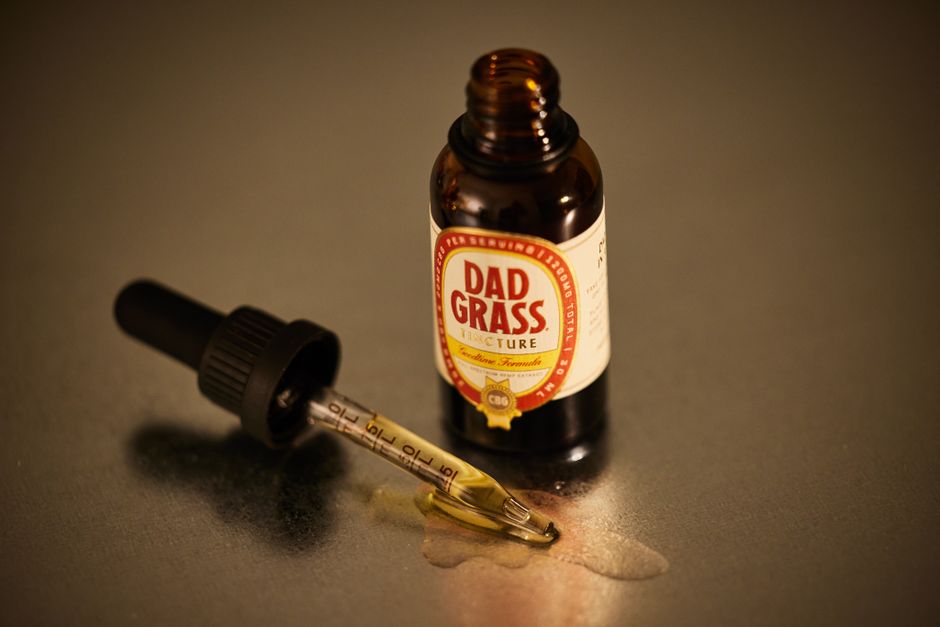
If you’re using a CBD tincture for your recipe, precision matters. Many high-quality brands, such as Joy Organics, package their tinctures in amber glass bottles with calibrated droppers that have Additional reading fill lines.
- Amber glass bottles help protect CBD oils from UV light, which can degrade cannabinoids.
- Droppers with fill lines make dosing exact and repeatable—a necessity when modifying recipes to accommodate specific dosing.
I always do the math on the label before touching a spoon, measuring exact milligrams per drop to avoid vague dosing advice like “just add a dropper”—which is frustratingly imprecise.
Fat-Based Carriers Help CBD Absorption in Foods
CBD is fat-soluble, meaning it dissolves and disperses well in fat-containing foods, improving both flavor integration and absorption.
mct oil CBD cookingWhen adding CBD tinctures to recipes, consider the characteristics of the carrier oil—often MCT or hemp seed oil in high-quality products certified by the USDA National Organic Program. These fat bases pair well with foods containing fats like dairy, oils, or nuts.
In practice:
- If your recipe is fatty (e.g., smoothies with avocado or yogurt), add CBD tincture off heat and mix thoroughly for even distribution.
- For fat-lacking foods or drinks, avoid mixing CBD tincture into water-only liquids unless you add fat first—like a tablespoon of coconut oil—so the CBD won't separate or clump.
How Heat, Fat, and Food Matrix Influence CBD-Drug Interactions
The drug metabolism effects of CBD don't significantly change based on whether CBD is consumed in food or on its own. However, bioavailability—the amount and speed with which CBD gets absorbed—can vary depending on fat content and heat exposure.
- Heat degradation reduces available CBD and may reduce its impact on drug processing enzymes.
- Fat-based carriers increase bioavailability by encouraging lymphatic absorption, potentially increasing CBD’s effect on medication metabolism.
- Consuming CBD with food generally delays absorption but can increase overall bioavailability compared to fasting.
This means that while CBD taken in food might be milder or slower acting, it still has the potential to interact with medications. The safest approach is to start with low doses and maintain steady, consistent routines while communicating regularly with your healthcare provider.
Monitoring and Analytics: How Consumers Can Track Effects
Many consumers like to keep personal logs or use tools to monitor their reactions to CBD and their medications. Just as businesses use Google Analytics to understand and optimize web traffic, individuals can track CBD intake, symptoms, and medication responses.
A simple spreadsheet or a dedicated health app can help you record:
- Type and dose of CBD consumed
- Whether CBD was taken with food, and what kind
- Medication doses and timing
- Any new symptoms or side effects
Keeping such data helps conversations with your doctor be more informed and productive.
Summary: Key Takeaways on CBD, Food, and Prescription Meds
Consideration Advice Heat exposure Add CBD tincture off heat to protect cannabinoids and flavor. Fat-based carriers Use CBD oils in fat-containing foods or add fat to water drinks for better absorption. Dosing tools Use droppers with fill lines and amber glass bottles for accurate and stable dosing. CBD drug interactions Always talk to doctor CBD before starting; CBD affects drug metabolism by liver enzymes. Monitoring Track your intake and reactions similarly to how Google Analytics tracks data for insights.Final Thoughts
CBD in food is a delicious and discreet method for wellness, but it requires careful consideration of heat, fat content, and precise dosing tools like amber glass bottles and droppers with fill lines. Most importantly, CBD does interact with prescription medications by influencing liver enzyme activity, so it is never something to consume casually without medical guidance.
Brands like Joy Organics offer high-quality, USDA certified tinctures that provide transparency, stability, and dosing consistency—tools your kitchen and your health need. Remember, vague dosing like “just add a dropper” is unhelpful; precise measurement combined with timing and food matrix considerations is what saves money and avoids surprises.
When in doubt, talk to your doctor about CBD use and track your experience diligently.
Now that you know how heat, fats, and dosing matter in cooking with CBD—and how it can affect your prescription meds—you can confidently incorporate CBD into your recipes the smart, safe way.