CBD Oil vs Capsules for Nightly Recovery Routine – Which Is Easier?
In a sport as demanding as MMA, managing your training volume and recovery capacity is a daily balancing act. Twelve years in the game have shown me that the camps that consistently fail don’t do so because of overtraining or poor strength plans — they fail because https://highstylife.com/what-does-carboxy-thc-mean-on-a-drug-test-an-mma-fighters-guide-to-thc-metabolites-and-ufc-policy/ they ignore recovery, especially sleep debt, and add random sessions without adjusting everything else around them.
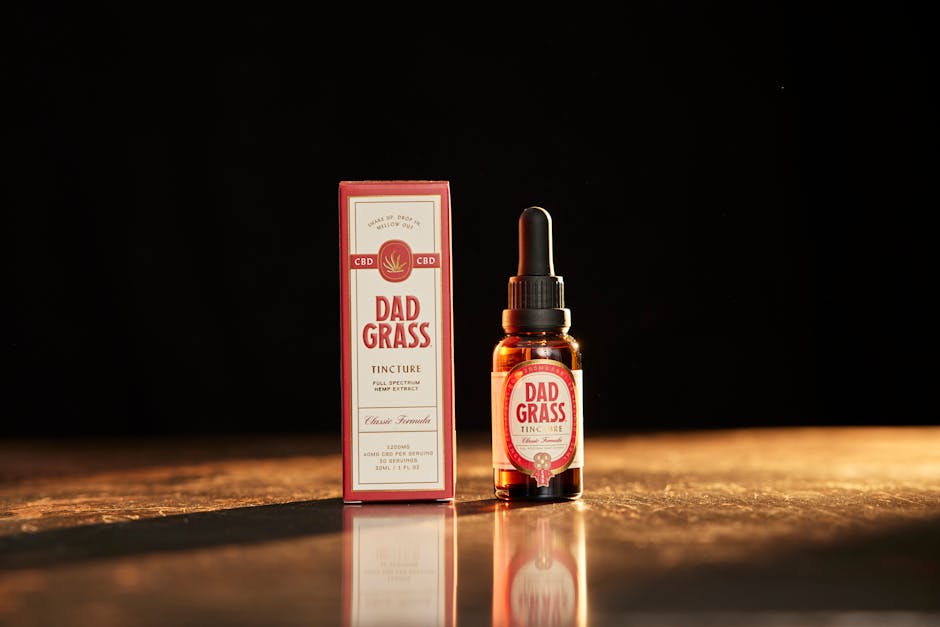
One recovery tool that’s generating buzz is CBD, but trainers and fighters often get stuck debating cbd capsules vs oil in their nightly routines without digging into the practicalities of use, dosage control, and how it fits into week-to-week camp programming. Add in the complexities of sparring nights marked clearly on the whiteboard and the fatigue buildup by week four, and you start to see why these details matter.
Why Focus on Nightly Recovery?
The old "train hard, recover hard" mantra is more nuanced than just resting on your couch; recovery is a physiological process, largely driven by quality sleep. Sleep isn’t just rest — it’s essential for adaptation and motor learning, both crucial for fighters honing technique and conditioning. The problem is, high-volume training camps rapidly erode sleep quality without proper strategy, leading to accumulated sleep debt.
From my coaching whiteboard — sparring nights are circled in red, sessions paced week by week, and notes on athlete feedback all inform recovery tweaks. When you get to week four, that’s the typical crash zone unless you place a well-timed deload or recovery cycle. This is where supplements like CBD can have a supporting role, provided they’re dosed and timed correctly.
Understanding Week Four Fatigue & Deload Placement
By week four in a camp, most fighters are fighting two battles — the opponent across the cage, and the https://bizzmarkblog.com/whats-a-good-weekly-template-for-mma-camp-with-hard-and-moderate-days/ fatigue stacking up in their bodies. It’s typical to see performance dips, mood dips, and restless nights. This is why a deload week is not optional; it needs to be planned, or the camp will actively sabotage itself.
Week Training Volume Fatigue Level Recovery Focus Week 1 Moderate Low Baseline recovery, sleep consistency Week 2 Increasing intensity Moderate Maintain sleep hygiene, introduce recovery aids Week 3 High volume & peak sparring High Manage sleep debt, monitor fatigue via whiteboard notes Week 4 Deload or taper Reducing Optimize recovery, improve sleep quality, focus on motor learning
The whiteboard doesn’t lie — if you continue pushing hard through week four sparring nights without deload, the sleep debt piles up and adaptation stalls.
CBD Capsules vs Oil: Key Considerations
CBD has carved out a niche in fight gyms, but getting hung up on “which is better—oil or capsules” misses the point if you don’t think about practical dosing and routine placement. Let’s break down the two from several angles:

1. Ease of Dosing
- CBD Oil: Comes with a dropper, allowing precise dose measuring down to the milliliter. Perfect if you want to adjust based on day-to-day fatigue or sparring intensity.
- CBD Capsules: Fixed dose per capsule, which simplifies routine and is ideal if you prefer a no-fuss, “one pill” approach.
Dropper measuring from oil bottles lets you start low and go slow, incrementally increasing dose based on batch-specific lab reports (or COAs, Certificate of Analysis). No guesswork here — you know exactly what and how much you’re taking.
2. Portability and Convenience
- Capsules: Compact, discrete, and easy to toss into your gym bag supplement stash. No risk of spills or carrying liquids on the road.
- Oil: Bulkier, requires carrying the bottle carefully. If you’re out for early morning workouts or training camps away from home, this can be a hassle.
3. Absorption and Onset Time
- Oil: Generally absorbed sublingually faster, which means you may feel relaxation or sleep-promoting effects quicker.
- Capsules: Must pass through the digestive system, so onset is slower but effects can last longer into the night.
4. Incorporating Lab-Tested Products
Whether oil or capsules, batch-specific COA documentation is crucial. This transparency ensures the product contains the stated milligrams of CBD, no contaminants, and no psychoactive THC. As a coach, I always recommend fighters check these reports before adding any supplement to their whiteboard plan.
Practical Gym Bag Supplement Routine: Which Wins for Fighters?
From the corner and coaching perspective, the question “CBD oil or capsules?” boils down to your nightly habits, lifestyle, and how you manage late nights after sparring:
The 10:30 PM Check-In
After sparring, one of my go-to questions is, “What happens at 10:30 PM?” Typically, that’s when athletes face a crossroads: forced winding down, or grabbing a late snack, scrolling on their phone, or tossing and turning because of adrenaline and accumulated fatigue. The right CBD routine helps smooth that transition.
Oil users benefit from dropper dosing immediately after showering and into their wind-down to leverage quicker onset, enhancing early sleep stages. In contrast, capsule users might prefer taking their dose with a small pre-bed snack or water as they prepare their gear for the following day.
Both approaches hash out on the daily whiteboard, with fighters tracking sparring loads and fatigue levels so we can adjust doses consistently and objectively. Dosing “when sore” or “when feeling off” just adds variability that doesn’t help your nervous system recover reliably.
Summary: When Simplicity or Precision Is Prioritized
Factor CBD Oil CBD Capsules Dosing Precision Excellent (dropper measuring) Fixed dose, less adjustable Portability Less convenient Highly convenient Onset Speed Fast (sublingual) Slower (digestive) Routine Simplicity Requires more attention Simple “take once” Integration Into Camp Programming Best for fine-tuning around whiteboard notes Best for simple nightly habitFinal Thoughts
One more time, a capsule never fixes recovery on its own. The solution lies in managing your training to recovery ratio, placing timely deloads before week four hits the fatigue crash, sticking to a consistent sleep schedule, and making recovery practices boringly reliable.
CBD, whether in oil or capsule form, is a tool to be integrated into this broader system. For fighters who want to micro-manage recovery doses with precision, CBD oil with dropper measuring and verified COA reports suits better. For those focusing on routine simplicity, grabbing a couple of capsules from their gym bag supplements box works just fine.
Remember: before you add any supplements to your nightly routine, check the lab reports from your provider, keep your whiteboard updated with sparring days and fatigue notes, and ask yourself: what happens at 10:30 PM after sparring? That’s where the real recovery begins.