Is CBD Better for Anxiety Than for Sleep? A Deep Dive into the Evidence
In recent years, cannabidiol (CBD) has become a household name in the wellness world, gracing smoothie menus, tincture bottles, and sleep stacks alike. Brands like Joy Organics have made CBD widely accessible, often touting benefits from anxiety relief to sleep improvement. But when you dig into the science and regulatory landscape, the question emerges: Is CBD actually better for anxiety than for sleep? This detailed post will explore CBD basics, distinguish it sharply from THC, discuss legal considerations including the crucial 0.3% THC cutoff, and most importantly, analyze the strength and consistency of research into CBD's effects on anxiety, sleep, and even athletic performance. Along the way, we’ll also explain why dosing in typical gummies doesn’t quite match up with study protocols, and what that means for your expectations.
Understanding CBD and Its THC Cousin
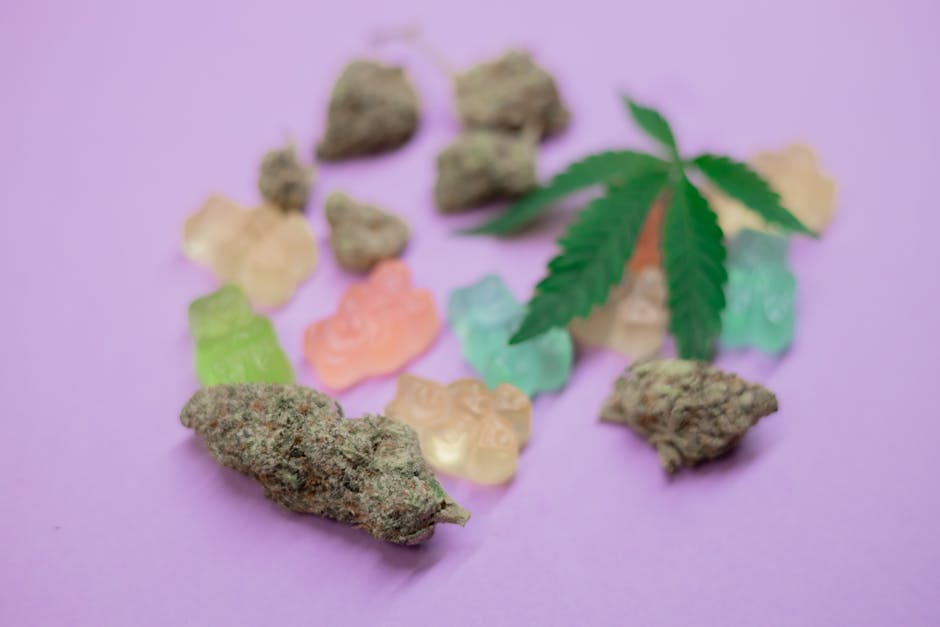
First off, CBD is one of over a hundred cannabinoids found in cannabis plants, most commonly extracted from hemp. Unlike its better-known cousin tetrahydrocannabinol (THC), CBD is non-intoxicating — it doesn’t get you high. This distinction isn’t just a preference; it’s foundational to legality, regulatory oversight, and user experience.
- CBD (Cannabidiol): Non-psychoactive, often used for therapeutic claims including calming effects and anti-inflammatory properties.
- THC (Tetrahydrocannabinol): Psychoactive compound responsible for the “high” associated with marijuana.
One of the biggest misconceptions is that “full spectrum” CBD products are automatically stronger or more effective — this is not necessarily true. Full spectrum means the product contains multiple cannabinoids, including trace amounts of THC (up to legal limits). However, more THC doesn't universally imply better effects; it depends on the user’s goals, tolerance, and the specific interplay of cannabinoids (the so-called entourage effect). As a seasoned health editor who’s seen many batch lab reports, I always recommend checking each product’s Certificate of Analysis (CoA) before trusting the label claims.
The Legal Landscape: Why the 0.3% THC Threshold Matters
Since the 2018 U.S. Farm Bill legalized hemp-derived products, the cornerstone of legality has been the 0.3% THC threshold. Hemp legally must contain less than or equal to 0.3% THC dry weight. Why is this important?
- It defines the difference between hemp and marijuana under federal law, thus affecting CBD product legality.
- It keeps products from producing intoxicating effects, which allows them to be sold widely without prescription.
- It impacts regulatory oversight by agencies like the FDA.
Speaking of the FDA, the agency currently does not approve CBD by itself as a dietary supplement or for anxiety and sleep claims. They only authorize CBD as a prescription drug (Epidiolex) for certain seizure disorders. Despite this, the market is flooded with CBD gummies, oils, and capsules claiming to ease anxiety or improve sleep — many of which, like those from Joy Organics, comply with legal THC limits but operate in a grey area regarding therapeutic claims.
CBD Anxiety Evidence: What Does the Research Say?
When it comes to cbd anxiety evidence, the data is promising but not conclusive. Over the last decade, scientific experiments, including some human clinical trials, suggest CBD may reduce anxiety symptoms, particularly in social anxiety disorders and generalized anxiety. A few key points:
- Mechanism: CBD interacts with the endocannabinoid system and serotonin receptors, potentially modulating fear and stress response.
- Clinical Studies: Lab-controlled studies using acute doses (often 300–600 mg of purified CBD) showed reduced anxiety during public speaking tests.
- Limitations: Most studies use high doses of isolate CBD, unlike typical consumer products.
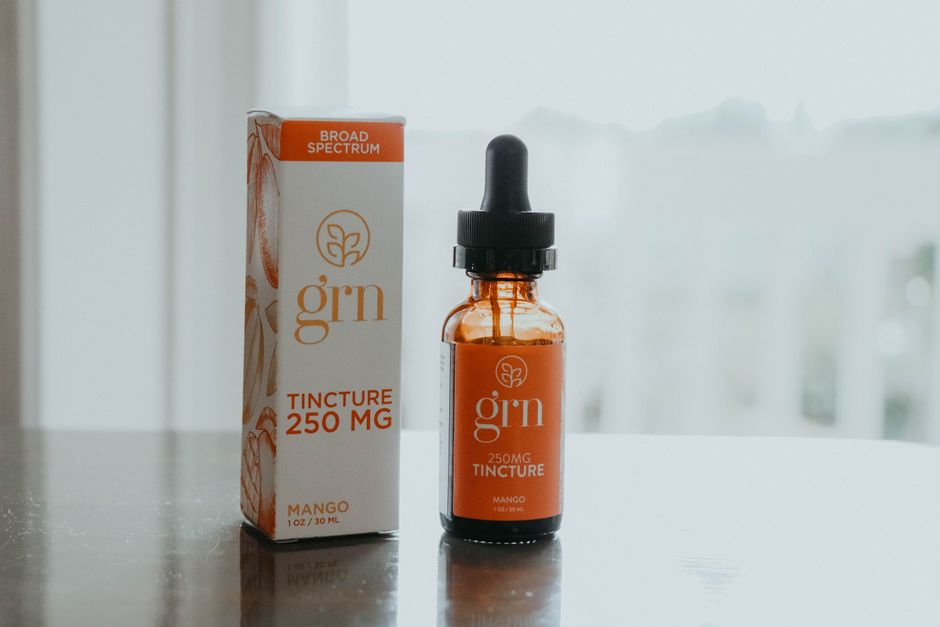
To put this in perspective, a single Joy Organics CBD gummy may contain 10–25 mg of CBD, which is a fraction of the dose used in these trials. Because anxiety has a complex neurochemical basis, consistency across studies varies, and large-scale randomized trials are still needed to fully validate claims. Nonetheless, current research leans more consistently toward anxiety relief than sleep benefits.
CBD Sleep Mixed Results: Why Is There No Clear Winner?
The science for CBD as a sleep aid is more mixed and nuanced. Research often reports that CBD may improve sleep quality or reduce sleep disturbances, but results are inconsistent and sometimes contradictory — a prime example of cbd sleep mixed outcomes. Consider the factors:
- Some studies show CBD reduces REM sleep disturbances in people with PTSD, while others find no significant effect on total sleep time or latency.
- The biphasic effect: low doses of CBD may promote wakefulness, whereas higher doses might promote sleep; this dose-dependent variability complicates dosing recommendations.
- Many trials combine CBD with other compounds, making it difficult to isolate effects.
Moreover, consumer products tend to be underdosed compared to clinical trials, making it harder for users to experience robust sleep improvements based solely on over-the-counter gummies or oils. It’s a classic case of research consistency not matching real-world usage patterns.
CBD and Athletic Performance: The WADA Perspective
Interestingly, the World Anti-Doping Agency (WADA) removed CBD from its list of prohibited substances in 2018, acknowledging its non-psychoactive nature and potential benefits for recovery and inflammation. However, THC and other cannabinoids remain prohibited during competition.
While CBD’s impact on performance and recovery is an emerging area, data remains scarce and preliminary. Athletes using CBD may benefit from reduced anxiety and inflammation but should be vigilant about product quality and THC contamination, especially because failing a doping test could risk reputational damage and sanctions.
Dosing Discrepancies: Why Gummies Don’t Match Study Protocols
One major challenge in translating scientific findings into consumer use is dosing. Clinical studies on anxiety often use 300 to 600 mg of pure CBD per dose. Sleep studies sometimes use similar or higher amounts. Compare this to most CBD gummies on the market, including reputable brands like Joy Organics, typically offering 10 to 25 mg per piece.
Context Typical Clinical Study Dose Typical Consumer Gummy Dose Factor Difference Anxiety Clinical Trials 300 – 600 mg 10 – 25 mg ~12x to 60x higher in studies Sleep Studies 40 – 160 mg (varies greatly) 10 – 25 mg Still higher but less extreme
As you can see, the doses tested under ideal conditions are often 10 to 60 times greater than what you’d get from a typical gummy. This discrepancy suggests that many users may not experience effects comparable to those in research without taking multiple gummies or using more concentrated extracts — obviously a cost and practicality issue, plus the risk of side effects.
Final Take: Is CBD Better for Anxiety Than for Sleep?
Given the current landscape of research and real-world product usage, the answer leans toward yes, CBD shows stronger and more consistent evidence for anxiety relief than for sleep improvement.
Here’s a quick summary:
- CBD Anxiety Evidence: Solid but preliminary human data shows anxiolytic effects at higher doses not typically found in consumer gummies.
- CBD Sleep Mixed Outcomes: Research is variable and dose dependent; consumer doses are often too low for consistent sleep benefits.
- Regulatory and Legal Considerations: Products under 0.3% THC are legal and widely available but lack FDA approval for anxiety or sleep claims.
- Performance and WADA: CBD is allowed in sport but THC is prohibited; some evidence suggests potential recovery benefits.
- Dosing Mismatch: Typical doses in products like Joy Organics gummies are far below those used in studies, possibly limiting efficacy.
Closing Thoughts for the Informed User
If you're considering CBD for anxiety, be prepared for trial and error with dosing and product choice, and always check third-party lab reports to confirm potency and absence of unwanted THC. If sleep is your main goal, look for products specifically formulated with higher CBD doses or combined with other known sleep aids, and temper expectations.
Lastly, keep in mind the regulatory landscape is evolving. The FDA continues to scrutinize claims, and more large-scale clinical trials are underway. Meanwhile, stay skeptical of grandiose performance claims without scientific backing — knowing what the research actually says is your best shield against marketing hype.
As a former esports team manager who once moderated spirited debates about melatonin and magnesium stacks, I know gamers and performers value clarity and efficacy. When tribality.com it comes to CBD, the current science says: better anxiety evidence than sleep support, but don’t expect miracles without proper dosing and quality assurance.