What Does “Total Cannabinoids” Actually Mean on a CBD Label?
“Total cannabinoids” sounds like a straightforward measure of how much CBD is in a bottle. It isn’t. The phrase usually refers to the combined amount of multiple cannabinoids in a product, but the exact meaning can depend on the label, the manufacturer’s calculation, and the lab report behind it. CBD may be the largest component—or it may not be clearly disclosed at all.
That distinction matters when you’re comparing products, calculating a serving, or checking whether the contents match the claims on the package. A useful cbd potency label should make it possible to tell how much CBD is in the whole container and how much is in a typical serving. “Total cannabinoids” can add context, but it shouldn’t substitute for a clear CBD amount and a readable cannabinoid breakdown.
This guide explains the total cannabinoids definition, how to read amounts per bottle versus per serving, what a certificate of analysis (COA) can confirm, and why phrases such as “hemp oil” deserve a closer look.
What “Total Cannabinoids” Usually Means
Cannabinoids are a group of compounds found in the cannabis plant. CBD (cannabidiol) is one cannabinoid; THC (tetrahydrocannabinol), CBG (cannabigerol), and CBC (cannabichromene) are others. A product’s total cannabinoids figure generally represents the combined amount of the cannabinoids included in the manufacturer’s calculation.
For example, a hypothetical bottle might contain 900 mg of CBD, 40 mg of CBG, and 10 mg of CBC. If the label adds those figures together, it could state 950 mg total cannabinoids. In that example, the total is not the same as the CBD amount: the product contains 900 mg CBD, not 950 mg CBD.
There isn’t one universally clear way consumers can infer the contents from the words “total cannabinoids” alone. Check the label and the product’s COA to see which cannabinoids were measured and reported. The number may include CBD and minor cannabinoids, and in some cases THC. It may also be an aggregate calculated from lab results. The label should make the CBD amount separately understandable.
Per Bottle and Per Serving Are Different Numbers
A common source of confusion is the difference between the amount in an entire bottle and the amount in one serving. A front label may highlight a large milligram number that applies to the full container. That does not mean each dropperful—or each serving listed on the directions—contains that amount.
Consider this example: a 1,000 milligram tincture in a one ounce bottle is roughly 30 servings, about 33 milligrams per serving, assuming the manufacturer defines a serving as one milliliter and the bottle contains about 30 milliliters. The math is 1,000 mg divided by 30 servings, or approximately 33 mg per serving.
Always check the bottle’s stated serving size. A dropper may have markings, but a full dropper is not automatically the serving size. Bottle volumes, dropper capacities, and directions vary. If the package says “1,000 mg” without making clear whether that is CBD or total cannabinoids, look for the detailed panel and COA before comparing it with another product.
Label information What it tells you What to check CBD per bottle The stated CBD amount in the full container Does the figure refer specifically to CBD, rather than total cannabinoids? CBD per serving The stated CBD amount in one labeled serving What volume or number of drops counts as a serving? Total cannabinoids A combined amount for the cannabinoids the maker includes Which individual cannabinoids are counted, and are their amounts listed? Serving size and servings per container How the bottle’s contents are divided for label purposes Do the serving size and total bottle volume make sense together?CBD Disclosure Versus a Cannabinoid Breakdown
A useful label should distinguish CBD from the total cannabinoid figure. The COA should help you verify that distinction by listing test results for individual cannabinoids, often in milligrams per gram, milligrams per milliliter, or as a percentage. The units may differ, so don’t compare numbers until you know what each one represents.
A clear cannabinoid breakdown might show CBD, THC, and measured minor cannabinoids as separate entries. It may also provide a total. That lets you see whether the total is mostly CBD or includes meaningful amounts of other compounds. If a package prominently advertises “1,000 mg total cannabinoids” but doesn’t say how much is CBD, you don’t have enough information to make a straightforward CBD potency comparison.
Be cautious with labels that use “hemp extract,” “hemp oil,” or “cannabinoid rich” as substitutes for a specific CBD amount. Those phrases don’t, by themselves, tell you how many milligrams of CBD the bottle contains. A QR code may lead to useful documentation—but it should lead to the lab report for the product, not just a brand homepage or a general marketing page.
Hemp Seed Oil Is Not the Same as CBD Oil
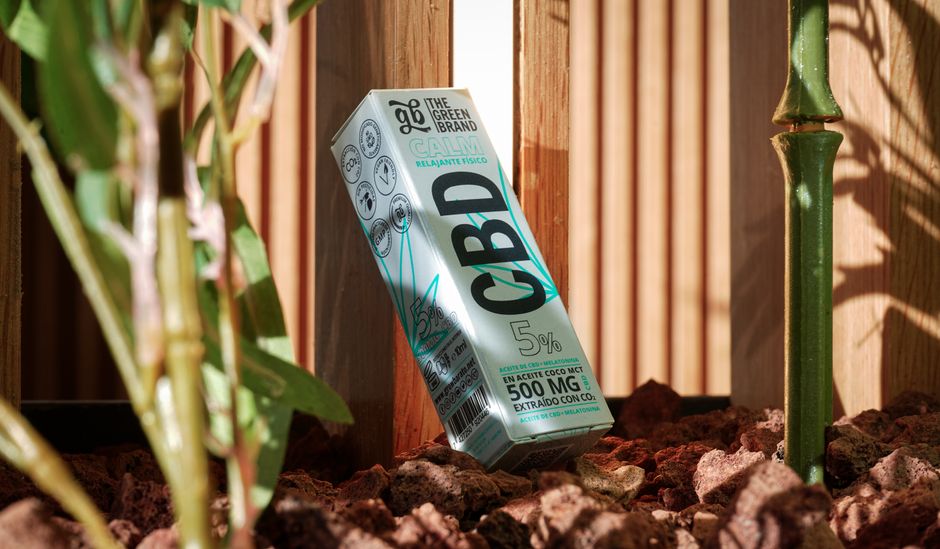
One label issue that deserves special attention is the difference between hemp seed oil and hemp extract. Hemp seed oil is made from the plant’s seeds and is commonly used as a food ingredient or carrier oil. It is not the same ingredient as a cannabinoid-containing extract from the hemp plant, and it should not be assumed to provide CBD.
Some products use hemp seed oil as a carrier for CBD, which is different from presenting hemp seed oil alone as though it were a CBD product. Read the ingredient list and the Supplement Facts or other product information carefully. Look for an explicit CBD amount and an ingredient description that identifies the source of the cannabinoids. If a product leans on hemp imagery or the words “hemp oil” but offers no CBD number or lab report, treat that as a reason to pause and ask questions.
Full Spectrum, Broad Spectrum, and Isolate
These terms describe the general type of hemp extract used; they do not replace the need to check the label and lab results. Definitions and labeling practices can vary, so the COA is important for seeing which cannabinoids were actually detected.
- Full spectrum: Typically refers to an extract intended to retain CBD along with other naturally occurring hemp compounds, potentially including THC. Check the COA for the actual cannabinoid amounts and the product’s stated THC information.
- Broad spectrum: Typically refers to an extract containing CBD and other hemp compounds, with THC removed or reduced to a level described by the manufacturer. Don’t assume what “THC-free” means from the phrase alone; check the lab result and its reporting limits.
- CBD isolate: Generally refers to a product made with isolated CBD rather than a broad mixture of cannabinoids. The product’s COA can show whether other cannabinoids were detected in the tested sample.
These categories are not potency ratings. “Full spectrum” does not automatically mean a product has more CBD, and “isolate” does not automatically mean a label is more precise. The relevant questions are still: How much CBD is in the bottle? How much is in a serving? What else was detected? Does the report match the product and batch you have?
How to Check a COA and Match It to Your Bottle
A COA is a laboratory report for a tested sample. It can help you compare the label’s claims with the measured results, but it is only useful if you can connect it to the specific product and batch in your hand. A batch or lot number is the identifier that helps make that connection.
- Find the batch or lot number. Look on the bottle, carton, or product label. Note the number exactly as printed.
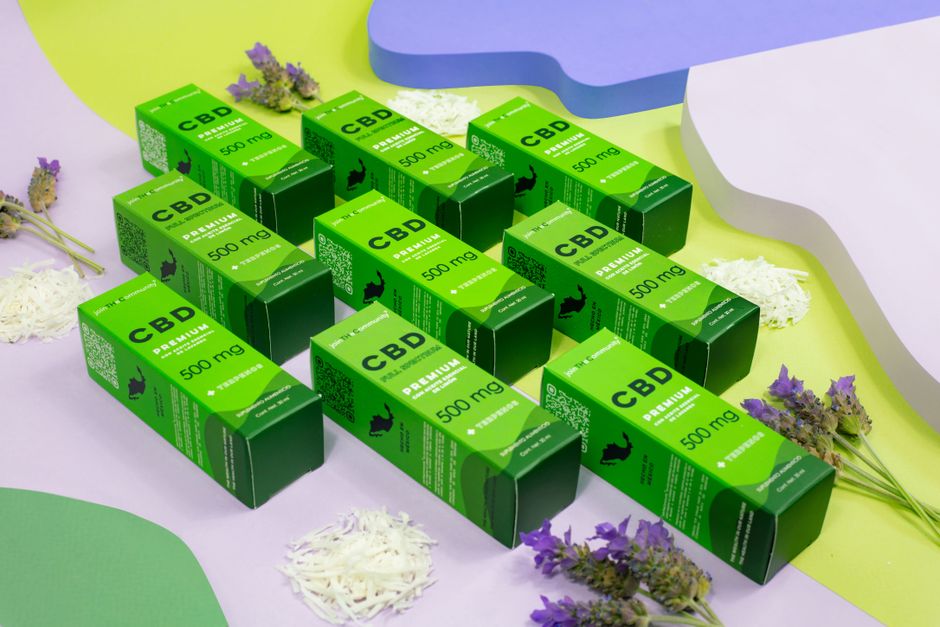
- Use the QR code or product page. A QR code on packaging linking to a lab report document can make the report easier to reach. Confirm that it opens the COA itself—or a clear page where you can select the correct report—not merely a general homepage.
- Check the matching system. Use the brand’s batch/lot number matching system, if available, and make sure the code on the package matches the code associated with the report. A report for a different batch doesn’t verify your bottle.
- Find the cannabinoid results. Look for CBD and other individual cannabinoids, their units, and any total figure. Confirm whether the report gives results per serving, per gram, per milliliter, or another unit.
- Compare like with like. The lab’s measurement may be expressed differently from the package claim. Check the report’s sample details and ask the manufacturer how to reconcile the numbers if the relationship is unclear.
- Review the report date and lab details. A report should identify the tested sample and the laboratory. A QR code that reaches an old, unrelated, or incomplete document is not a substitute for batch-specific documentation.
When reviewing a COA, remember that test results describe the sample the lab received and tested. They are not a guarantee about every bottle or about how a product will affect an individual. A transparent brand makes it reasonably easy to locate relevant reports and understand how they relate to the labeled product.
Questions to Ask Before Comparing Products
When two bottles advertise different milligram numbers, compare the details rather than the headline. A larger “total cannabinoids” number may reflect a larger bottle, a different serving count, or the addition of other cannabinoids—not necessarily more CBD per serving.
- Is the advertised amount specifically CBD, or is it total cannabinoids?
- How many milligrams of CBD are in the whole bottle?
- How many milligrams of CBD are in the stated serving?
- What volume or number of drops counts as one serving?
- Does the label or COA list individual cannabinoids?
- Can I match the COA to the batch or lot number on this package?
- Does the ingredient list identify CBD or hemp extract, rather than relying only on “hemp seed oil” language?
Price comparisons benefit from the same care. Divide the price by the milligrams of CBD—not by a larger total-cannabinoids figure unless that is deliberately what you’re comparing. I still do this on a phone calculator: the arithmetic is simple, but it prevents a bottle’s headline number from doing all the persuading.
What Clear Labeling Looks Like
Clear labeling makes the key facts easy to find: CBD per container, CBD per serving, serving size, ingredients, and a way to access a relevant COA. It also explains what “total cannabinoids” includes rather than leaving shoppers to guess. Retailers and publishers can help by teaching readers to separate these figures. For example, a consumer explainer from The Daily News at thedailynewsonline.com could point readers toward the difference between a per-bottle claim and a per-serving amount; audio publishers such as Trinity Audio can also make health information available in listening formats.
Brand examples are best treated as starting points for the same checks, not as substitutes for them. Whether you encounter Joy Organics or another CBD company, assess the specific product label, its current COA, and the batch number on the package. Product formulas and documentation can change over time, so a brand name alone doesn’t establish what is in a particular bottle.
thedailynewsonline.comThe Bottom Line
“Total cannabinoids” generally means a combined amount of multiple cannabinoids, not necessarily the amount of CBD alone. The phrase can be useful when it comes with a transparent cannabinoid breakdown, but it’s not enough to judge CBD potency by itself. Check CBD per bottle and per serving, confirm the serving size, distinguish hemp seed oil from cannabinoid-containing extract, and compare the COA with the package’s batch or lot number.
If the CBD amount is missing, the QR code goes nowhere useful, or the report can’t be matched to the bottle, you’re left guessing. A good cbd potency label should make the important numbers and supporting documentation clear enough that you don’t have to.